
Ice is one of the few items in an F&B operation that cannot be improvised. When the machine stops, service stops with it, and the replacement cost of bagged ice during a busy week can run into the glass.
Most ice machine failures are preventable. They develop slowly over weeks, produce warning signs well before total breakdown, and trace back to a small number of recurring causes. Here are the ones we see most often in Malaysian kitchens, and what to do about each.
1. Output drops during peak periods
What you notice: the machine keeps running but the bin never fills. Production seems fine overnight and falls short by mid-service.
Why it happens: Malaysian ambient conditions are harder on ice machines than the specifications assume. Air-cooled units rely on drawing cool air across the condenser and expelling heat. In a hot kitchen with poor ventilation, the machine draws in air that is already warm, and production falls accordingly. A dirty condenser coil makes this worse by restricting airflow further.
What to do: clean condenser coils on a regular schedule rather than when output drops. Check that side and rear clearances match the manufacturer’s requirement, since machines pushed against a wall lose efficiency immediately. If space is genuinely tight, a top-ventilation unit draws and expels air vertically and performs better in confined installations.
2. Cloudy, soft or fast-melting ice
What you notice: cubes look white or milky rather than clear, break apart easily, and melt faster in the glass.
Why it happens: almost always water quality. Dissolved minerals in the supply are trapped as the ice forms, which clouds the cube and weakens its structure. Malaysian mains water carries enough mineral content that unfiltered ice machines show this within months.
What to do: install a proper filtration set on the water inlet and replace cartridges on schedule. A three-stage arrangement handles this well: a sediment filter for particulates, an activated carbon block for chlorine and taste, and an ultrafiltration membrane for micro-organisms and organic contaminants. Filtration also protects the evaporator plate, which is the most expensive component to replace.
3. Scale buildup on the evaporator
What you notice: ice sticks to the plate and does not release cleanly, cycles take longer, and eventually production stops even though the compressor is running.
Why it happens: the same mineral content that clouds the ice deposits onto the evaporator plate over time. Scale acts as insulation between the refrigerant and the water, so the plate has to work harder for a smaller result. Left long enough, it damages the plate coating permanently.
What to do: descale on a fixed schedule using the correct cleaning solution for the machine. Nickel-plated evaporators resist scale better than untreated plates and last considerably longer under Malaysian water conditions, which is worth factoring into any purchase decision. Filtration remains the first line of defence.
4. Water leaking or pooling under the unit
What you notice: water on the floor near the machine, or a persistent damp patch that returns after cleaning.
Why it happens: usually a blocked or badly installed drain line. Drains that run uphill, sit too long without a fall, or lack an air gap will back up. In some cases water in the drainage pipe flows back toward the machine, which introduces a contamination risk on top of the leak.
What to do: check the drain fall and clear any blockage. An anti-backflow fitting on the drain line prevents water returning into the unit. If the leak is coming from inside the cabinet rather than the drain, stop using the machine and call a technician, since internal leaks usually indicate a failed seal or a cracked water trough.
5. Bacterial growth and slime in the bin
What you notice: a film inside the storage bin, or ice with an off taste or smell.
Why it happens: ice bins are dark, damp and rarely inspected. Biofilm develops on surfaces that are not cleaned to a schedule, and because ice is served without further processing, contamination passes straight to the customer.
What to do: clean and sanitise the bin on a documented schedule, not just when it looks dirty. Machines with removable components and tool-free access make this considerably faster, which matters when the alternative is a cleaning task your team quietly skips. This is also a food safety exposure during inspection, so records of cleaning are worth keeping.
The pattern behind all five
Every failure above shares the same profile. It develops gradually, it gives warning signs, and it costs a fraction to prevent compared with the cost of an emergency repair and lost service.
The operators who avoid ice machine downtime are not the ones with the newest machines. They are the ones running scheduled servicing, with filtration maintained, condensers cleaned and a record of each machine’s condition over time.
How Endura handles it
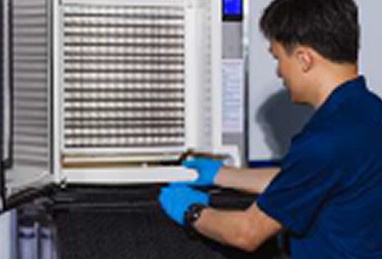
Our technical team services commercial ice machines across Malaysia on fixed preventive schedules, covering condenser cleaning, descaling, filtration replacement, drainage checks and full sanitisation. Every visit produces a written report with a health score for the machine, so you have a clear basis for use, repair or replace decisions rather than reacting to failure.
Reactive callouts are answered within 24 hours in the Klang Valley and 48 hours outside it. The service is available to any F&B operator, including those whose ice machines were purchased elsewhere.